
Google Wants Your AI Habits to Stick: Chrome's New 'Skills' Feature Explained

The Problem Google Just Solved (That You Didn't Know You Had)
If you've used ChatGPT or any AI chatbot more than a few times, you've probably noticed something frustrating: you end up typing the same kinds of requests over and over. Maybe you're always asking it to summarize long articles in simple terms, or to help you draft professional emails, or to explain news stories like you're talking to a friend. Each time, you retype roughly the same prompt, tweaking a word or two.
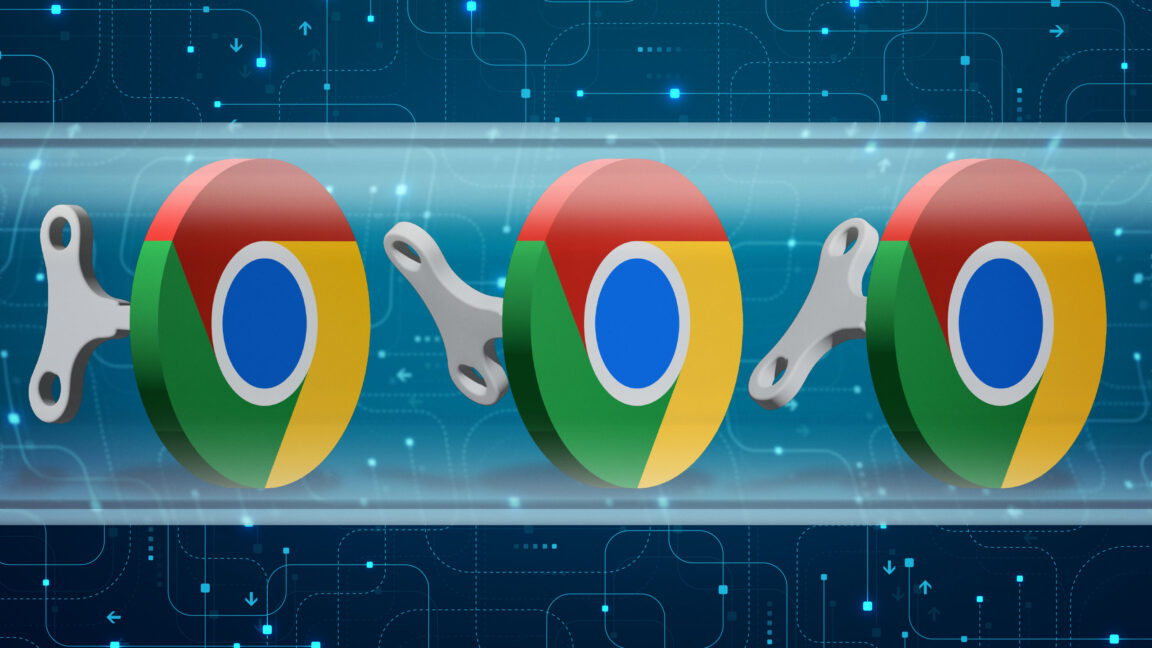
Google just rolled out a feature called Skills in its Chrome browser that aims to fix this repetitive work. And while it might sound like a small quality-of-life improvement, it actually signals something bigger: tech companies are racing to make AI feel less like a tool you visit and more like a habit you build into your daily routine.

What Chrome Skills Actually Does
Think of Skills as saved templates for the AI requests you make most often. When you're using Gemini (Google's AI assistant) inside Chrome, you can now save your favorite prompts as reusable shortcuts. Google provides some pre-made ones — like "maximize protein in recipes" or "summarize YouTube videos" — but the real power is creating your own.
Let's say you run a small bakery and frequently need to rewrite your weekly email newsletter to customers. Instead of opening Gemini each week and typing "Take this text and make it friendlier and more engaging for a local audience," you could save that exact instruction as a Skill. Next week, one click brings it back, ready to go.
Or imagine you're a retiree who likes reading news but finds articles too jargon-heavy. You could create a Skill that says "Explain this article in plain language, like you're talking to someone who doesn't follow politics closely." Bookmark it, and suddenly every confusing news story becomes accessible with one click.
Why This Matters More Than It Seems
On the surface, this is a convenience feature. But what Google is really doing is training you to use AI in specific, repeated ways — and training itself to understand what people actually want AI to do.
Right now, most people who try AI tools use them once or twice, get mediocre results because they don't know how to phrase requests well, and then give up. Skills removes that friction. It lets you capture the one time you accidentally phrased something perfectly, then reuse it forever.
For everyday users, this could be the difference between AI feeling like a novelty and AI becoming genuinely useful. A teacher could build a Skill that turns dense academic papers into lesson plan summaries. A small business owner could create one that rewrites product descriptions to match their brand voice. A nurse could save a prompt that translates medical jargon into patient-friendly language.

The Bigger Picture: AI Is Moving Into Your Browser
Chrome is the most popular web browser in the world by a wide margin, and Google knows it. By embedding Gemini directly into Chrome — and now making it easy to build personal AI workflows — Google is betting that the future of AI isn't standalone apps you open separately. It's integrated into the places you already spend your time.
This is Google's counter to tools like ChatGPT, Claude, and Perplexity AI, which have gained massive followings. Instead of asking you to visit another website, Google wants AI to live right where you already browse, shop, read, and work.
Other companies are trying similar strategies. Microsoft has woven AI into Edge browser and Office apps. Apple is integrating AI across its devices. But Chrome's sheer reach — used by roughly two-thirds of all internet users — gives Google a unique advantage.
What You Should Actually Do With This
If you use Chrome and ever find yourself asking AI the same kinds of questions repeatedly, Skills is worth exploring. You don't need to be technical. You just need to notice when you're doing the same task over and over.
Start simple. Maybe you're constantly asking AI to summarize long emails, or to help draft social media posts, or to turn recipe ingredients into shopping lists. Save those as Skills. Test them. Adjust the wording until they work reliably.
The real benefit isn't just saving time — though that's nice. It's that you start to see where AI actually fits into your life, and where it doesn't. You begin to understand what it's genuinely good at (reformatting, summarizing, brainstorming) versus what still needs a human (judgment, nuance, final decisions).
The Honest Limitations
Let's be clear: this won't revolutionize your life overnight. Skills only works in Chrome, only with Gemini, and only if you already have a sense of what you want AI to help with. If you've never used an AI chatbot before, this feature won't magically make everything click.
And like all AI, Gemini still makes mistakes. A Skill that worked perfectly last week might give you a weird result this week because the underlying AI model interprets something differently. You're saving the prompt, not the outcome.
But for people who've dipped their toes into AI and thought "this could be useful if it weren't so clunky," Skills might be the push that makes it stick. And that, more than any flashy new capability, is what Google is counting on.
Want more plain-English AI news?
AI Foresights covers the latest AI developments, side income ideas, and tool reviews — written for everyday professionals, not tech experts.
Was this guide helpful?
Be the first to rate — or add yours below
More from Best AI Tools


Get new guides every week
Real AI income strategies, tool reviews, and plain-English news — free in your inbox.