
Google's AI Chief Says We're at the 'Foothills' of a New Era — Here's What That Means for You

The Person Running Google's AI Just Said Something Worth Understanding
Last week, at Google's annual developer conference called Google I/O, a man named Demis Hassabis stood in front of a crowd and made a statement that's worth sitting with. Hassabis runs Google DeepMind — the division of Google responsible for some of the most significant AI research in the world — and he said that we are currently "standing in the foothills of the singularity."[1]
That's a loaded phrase. The word "singularity" sounds like science fiction, and in many ways it still is. It refers to a hypothetical future moment when AI becomes so capable that it rapidly surpasses human intelligence and changes civilization in ways we can't fully predict. Most researchers think that moment, if it ever comes, is still far off. But Hassabis wasn't saying it had arrived. He was saying we're at the very beginning of the climb toward it — and that where we stand right now already matters enormously.
So what does that mean in plain terms? And why should someone who isn't a tech person care?

AI Is Moving From Party Trick to Practical Tool
For years, AI felt like a curiosity. You could ask ChatGPT a trivia question, or use Gemini to draft an email, and walk away mildly impressed. But the Google I/O conference signaled a real shift: AI is now being woven into the tools most of us already use every day, often whether we ask for it or not.[2]
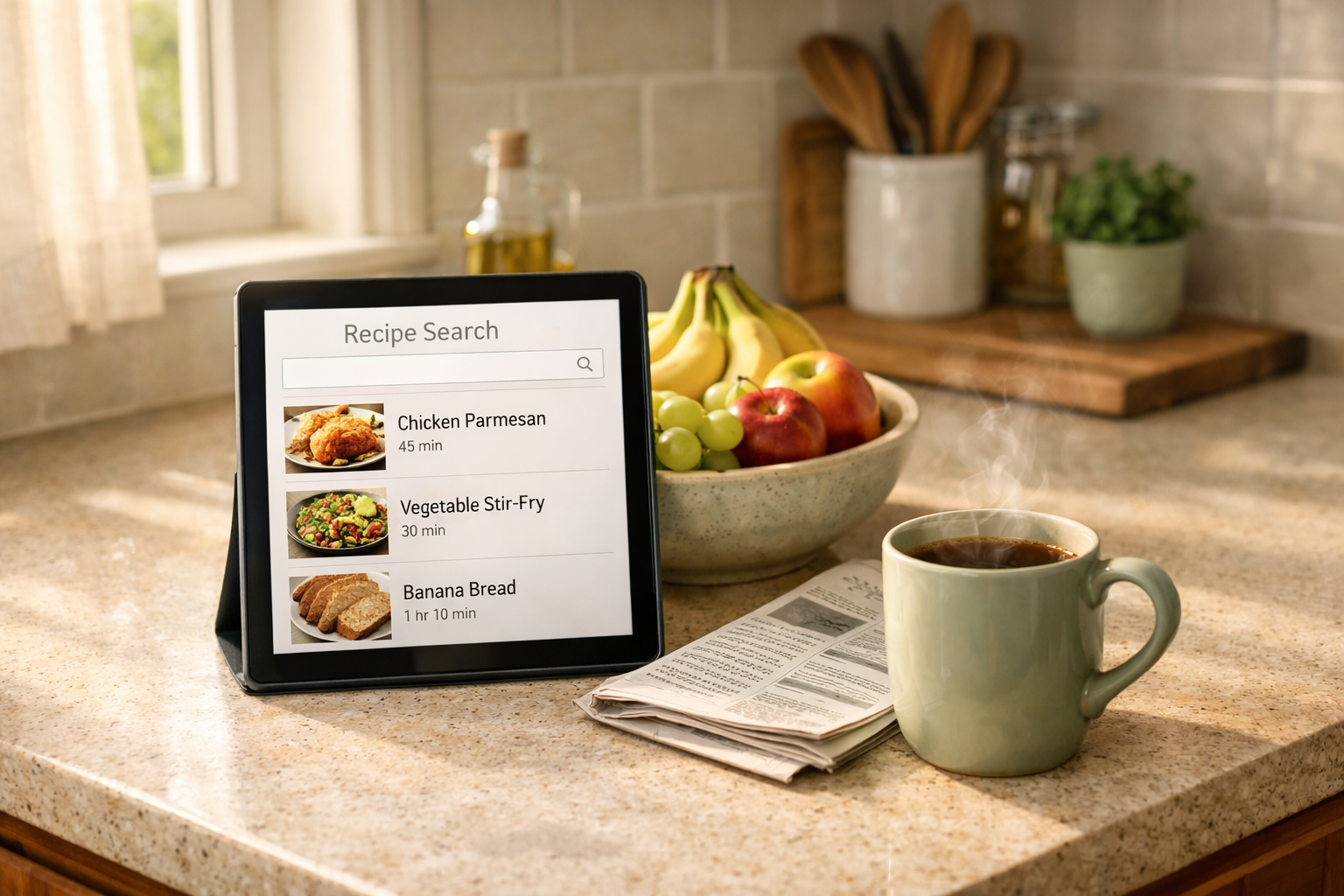
Consider a retired teacher named Carol who uses Google Search every morning to check recipes, local news, and health questions. She may not have chosen to use AI — but Google's search results are now built around AI-generated summaries that appear at the top of the page before any website links. She's using AI. She just might not know it.
That's the key insight Hassabis was pointing toward. The "foothills" aren't some abstract technical milestone. They're the moment when AI stops being a product you opt into and becomes the invisible infrastructure underneath everything — search, email, healthcare records, customer service, your phone's camera.
What Google Showed Off (and Why It Matters)
At I/O, Google showcased AI tools that genuinely felt different from what came before. Prototype glasses that could show you real-time translations of a conversation happening right in front of you. AI that helps scientists accelerate drug discovery. Tools that let Gemini — Google's AI assistant — act more like a persistent helper that remembers your preferences and takes action on your behalf.[1]
None of these are fully available today, and many have real limitations. But the direction is clear. These aren't gimmicks. They're the early stages of AI becoming something closer to a personal assistant that works across every part of your life.
For a small business owner running a bakery, that might eventually mean an AI that handles appointment scheduling, responds to customer inquiries, and tracks inventory — all without hiring extra staff. For a retiree managing health appointments and medications, it could mean an AI that helps organize information and flags important questions to ask a doctor.

The Part Nobody Should Skip Over
Hassabis is genuinely optimistic, and that optimism is grounded in real results — Google DeepMind's AI tools have already contributed to breakthroughs in protein research that could speed up new medicines.[1] That's not hype. That's measurable progress.
But he's also not naive. The question of user trust keeps coming up at the highest levels of AI development. Google DeepMind's own product leadership has acknowledged that the next phase of AI adoption depends entirely on whether everyday people feel safe using these tools — and whether the companies building them are honest about what the tools can and can't do.[2]
That's a reasonable standard to hold them to. As AI moves from the foothills toward something more powerful, the people it affects most aren't the engineers or the investors. They're Carol searching for a recipe. They're the bakery owner trying to keep the lights on. They're you.
You don't need to understand how any of this works under the hood. But understanding that it's happening — and that you already have a stake in how it unfolds — is exactly the right place to start.

Sources
Want more plain-English AI news?
AI Foresights covers the latest AI developments, side income ideas, and tool reviews — written for everyday professionals, not tech experts.
Was this guide helpful?
Be the first to rate — or add yours below
More from Learn AI

Get new guides every week
Real AI income strategies, tool reviews, and plain-English news — free in your inbox.