
Tesla Robotaxis Launch in Texas: What It Means for You in 2026
The Future Just Pulled Up to the Curb in Texas
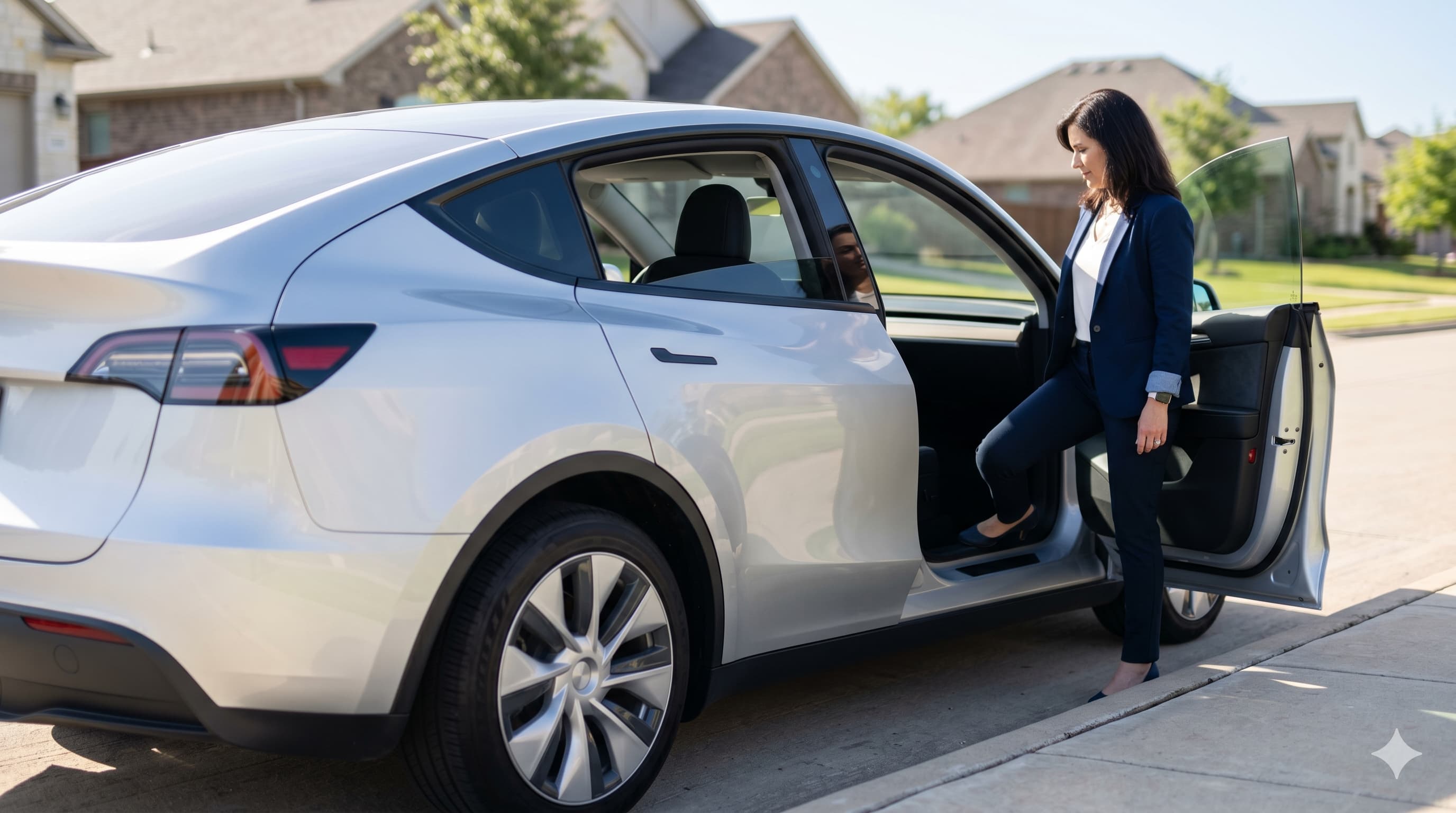
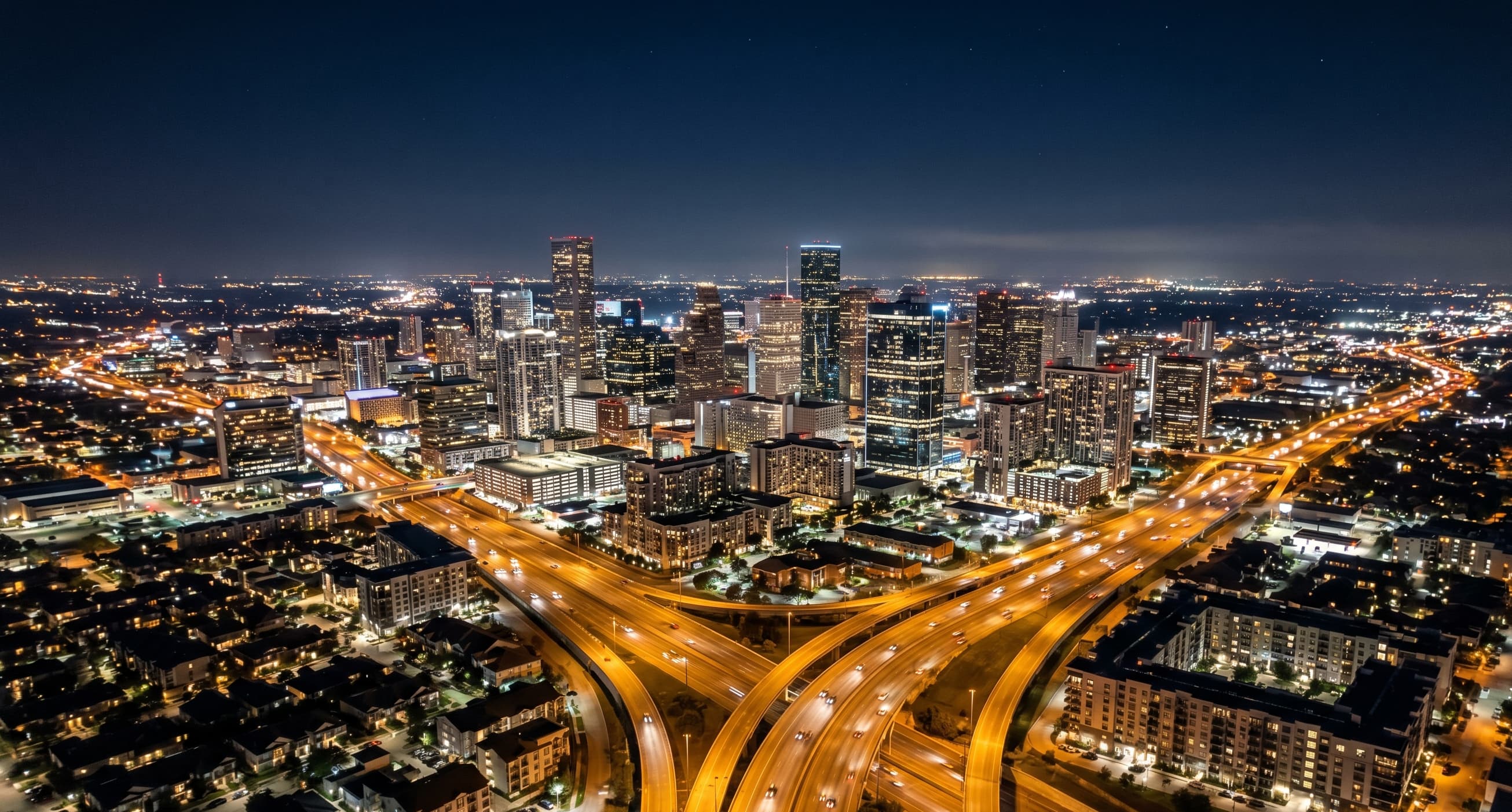
Imagine stepping out of your front door in a Dallas suburb on a Tuesday morning. You open the Tesla app on your phone, request a ride to your office downtown, and within a few minutes a clean white Model Y pulls up smoothly to the curb. The door unlocks automatically. There is no driver in the front seat. You get in, sit down, and the car gently pulls away, taking you through traffic with calm precision. This scenario is no longer a distant future dream. As of April 18, 2026, Tesla’s robotaxi service is operating unsupervised in approved areas of Austin, Dallas, and Houston, Texas.[1]
At AI Foresights, we’ve heard from readers in their 40s, 50s, and 60s who have followed self-driving technology for years and wondered when it would actually become something practical for daily life instead of staying in test programs. Many of you have told us you want simple, honest answers without hype. The good news is that the service is here now, and it is working in real Texas cities right now.
The rollout started small and has grown carefully. Tesla has focused on making sure the system is ready before expanding the areas where people can use it without any safety monitor inside the car. This measured approach has helped build confidence among everyday riders who are trying the service for the first time. In the first few days after the Dallas and Houston expansion, availability is still limited—often just a handful of vehicles in each new city—but it is growing week by week as more cars join the network.
How We Got Here
Tesla first launched its robotaxi service in Austin back in June 2025. In the beginning, rides were offered in limited geographic areas, and most vehicles still had a safety monitor in the front seat to observe the system’s performance. Over the following months, Tesla gradually increased the size of the service area and improved the software based on real-world data collected from the fleet.[2]
By January 2026, the company began removing safety drivers from some vehicles in Austin, marking the start of truly unsupervised operation. Then, on April 18, 2026—just two days ago—Tesla announced that small portions of Dallas and Houston were being added to the unsupervised network. The expansion has been careful and measured, which many experts see as a responsible approach given the complexity of operating in busy urban environments.[3]
The service also operates in selected areas of the San Francisco Bay Area. Tesla relies entirely on its camera-based vision system and the Full Self-Driving software rather than installing additional specialized sensors. This choice has allowed the company to move faster than some competitors who rely on more hardware. Early riders in Austin reported that the system handled everyday drives well, which gave Tesla the confidence to expand to the new cities so quickly.
How Does a Robotaxi Actually Work?
A robotaxi looks very much like a regular Tesla Model Y that you might see on the road today. The main difference is what is happening inside the car. Instead of a human driver making decisions, powerful computers and artificial intelligence software control the steering, acceleration, and braking. Tesla uses eight cameras positioned around the vehicle. These cameras work together to create a 360-degree view of the car’s surroundings at all times.
The system processes the video feed from these cameras many times every second. The AI has been trained on millions of miles of driving data collected from Tesla vehicles over the years. This training allows the system to recognize traffic lights, stop signs, pedestrians, cyclists, other vehicles, road markings, and even unexpected obstacles like a child’s ball rolling into the street or a construction sign that suddenly appears. The process is similar to how a human driver learns over time, but the robotaxi can “remember” every mile it and thousands of other cars have driven, making decisions based on patterns from real roads rather than just one person’s experience.
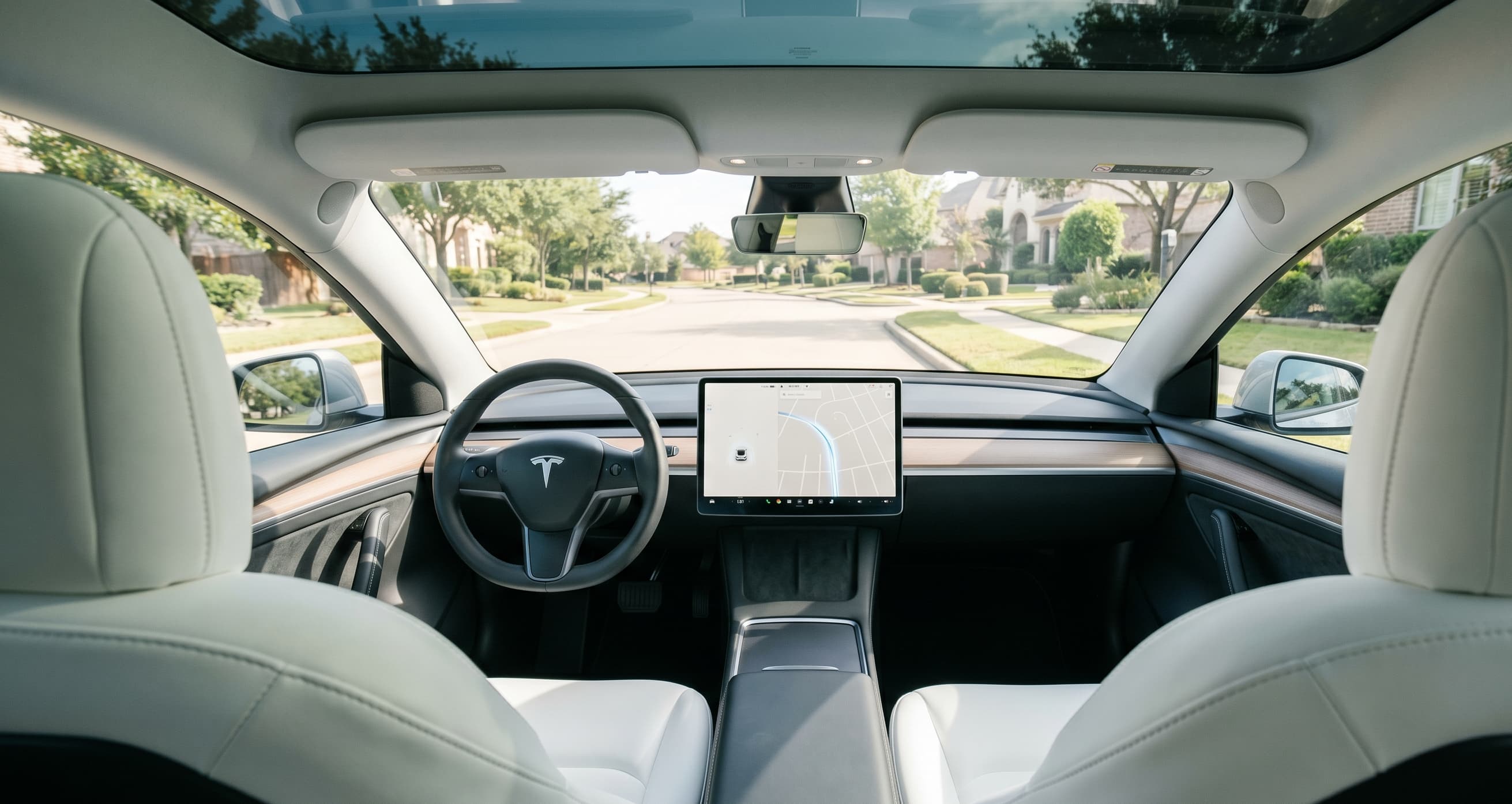
Tesla’s bet is that cameras plus advanced AI can handle real-world driving better and more affordably than systems that use expensive laser sensors known as LIDAR. In practice, when you want a ride, you use the Tesla app to request one. If you are within the service area, a nearby robotaxi is assigned to you. The car navigates to your pickup location, signals when it has arrived, and unlocks the doors. You simply get in, select your destination on the large touchscreen, and the car begins the trip. During the ride you can adjust the cabin temperature, choose music, or even ask the car questions using voice commands. The system understands natural language quite well for simple requests like “turn up the air conditioning” or “play some calm music.”
The car follows traffic rules, maintains safe distances, changes lanes when appropriate, and handles complex situations like construction zones or heavy rain. If it encounters something it cannot safely handle, the system is designed to pull over safely and notify support. Early versions still have a steering wheel and pedals, but these are primarily for emergency override during the initial rollout phase. Future dedicated robotaxis may not have them at all.
In our experience at AI Foresights, the rides tend to be smoother than rides with human drivers because the software does not get distracted or impatient. It maintains consistent speed and makes gradual, predictable movements. Riders often comment that they feel more relaxed once they trust the system is paying attention every single second. For example, on a busy highway merge, the car waits for a safe gap and accelerates steadily instead of rushing or hesitating like a tired driver might. In city traffic, it stops gently for pedestrians and resumes without jerking forward.
One common question we hear is how the car handles bad weather or low light. The cameras are designed to work in rain, fog, and at night, and the AI has been trained on data from thousands of such conditions. The system also uses the car’s sensors to detect slippery roads and adjust speed accordingly. This level of constant awareness is something a human driver simply cannot match hour after hour. Another practical detail is how the robotaxi finds a parking spot or drops you off exactly where you need to go. It uses the same camera view to pull up to the curb safely, even in crowded downtown areas. If there is a temporary road closure, the system reroutes automatically using real-time traffic information shared across the fleet. These small details make the whole experience feel reliable and everyday rather than experimental.
When comparing this to other approaches like those used by Waymo, the difference is clear in plain terms. Waymo adds laser sensors and pre-mapped streets for extra safety layers, which works well but costs more to build and maintain. Tesla’s camera-only method keeps the car looking normal and the price lower, betting that software improvements will close any gaps over time. Both systems are safe in their own ways, but Tesla’s approach lets more cars join the fleet faster, which helps with availability in growing cities like Dallas and Houston.
Tesla vs Waymo vs the Rest — Who’s Actually Winning?
Here’s how the major players stack up right now in April 2026:
| Company | Cities Operating (April 2026) | Tech Approach | Average Ride Price | Fleet Size (approx.) | Key Strength |
|---|---|---|---|---|---|
| Tesla Robotaxi | Austin, Dallas, Houston, San Francisco Bay Area | Camera-only vision + AI learned from real miles | $8–$13 per ride | Growing quickly (hundreds across cities) | Lowest price, fast Texas expansion |
| Waymo | 10+ cities including Dallas, Houston, Phoenix, San Francisco, Los Angeles, Miami | LIDAR + sensors + detailed maps | $15–$25 per ride | 3,000+ vehicles | Largest scale, most mature service |
| Zoox (Amazon) | Las Vegas, San Francisco (paid service later 2026), testing in Dallas, Phoenix, Austin, Miami | Purpose-built vehicle with LIDAR + sensors | Free during testing; paid pricing TBD | Around 100 vehicles | Unique design, very smooth ride |
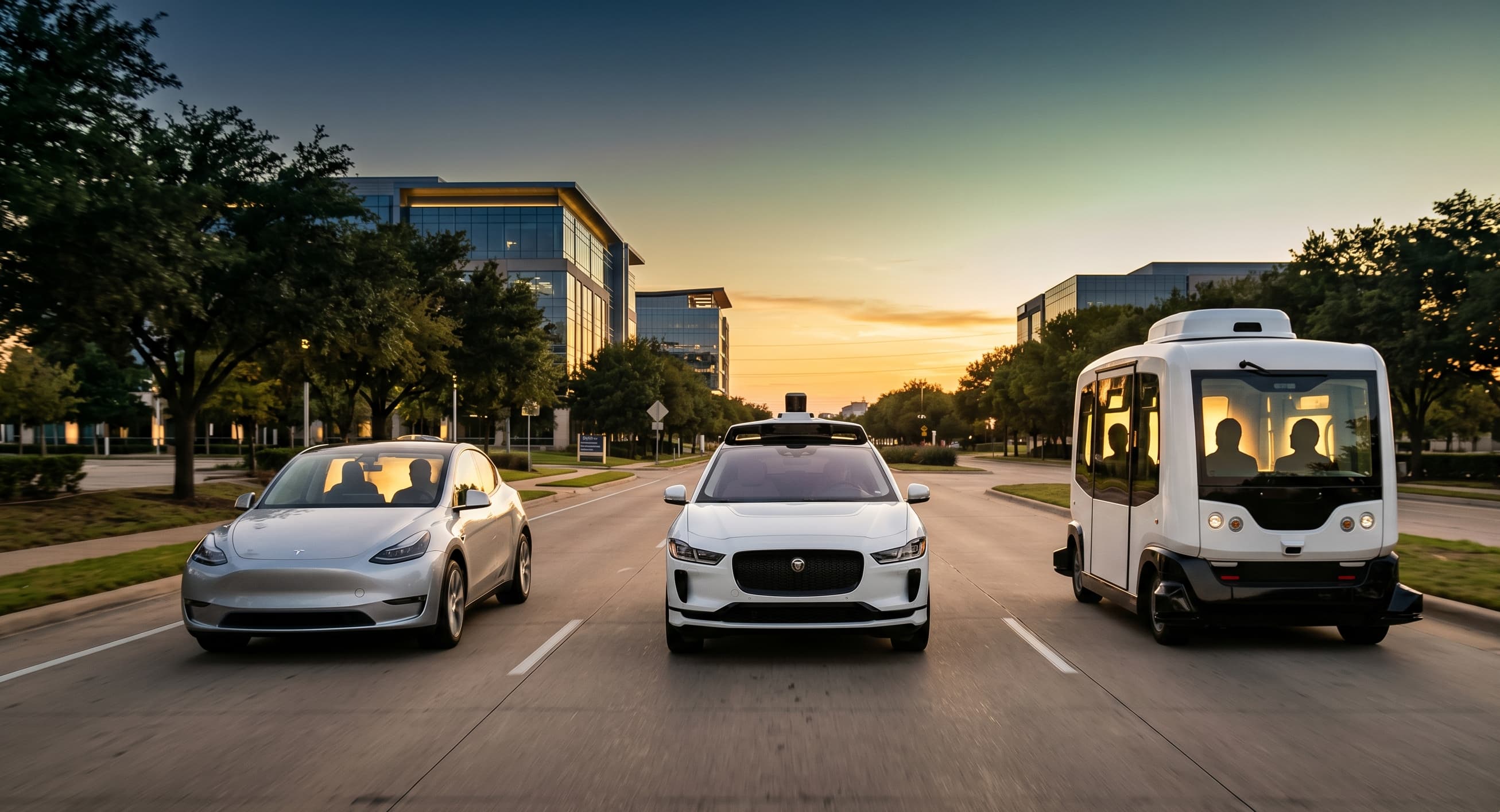
In our experience, Tesla stands out for its lower prices and simple experience in Texas, while Waymo leads on the number of cities and proven track record over many years.[4] Zoox offers something different with its custom vehicles that can drive in either direction, but it is still building out paid service in more places. The competition is healthy, and each company is learning from the others. Tesla’s camera-only approach keeps costs down and allows faster scaling in new cities. Waymo’s sensor-heavy method provides extra redundancy in complex environments, which is why it has operated safely in more places for longer. For everyday riders, the choice often comes down to price and availability in your specific neighborhood. Right now in Dallas and Houston, Tesla has the advantage of being the newest option with the lowest fares, but availability is still building up.
What This Actually Means for Everyday People
Consider Margaret, a 68-year-old retiree in Houston who no longer feels comfortable driving at night or in heavy traffic. With robotaxis, she can easily visit her grandchildren who live 12 miles away without depending on family members for rides or paying high Uber prices. She has told friends that the quiet ride gives her time to relax and think instead of worrying about traffic.
Mike, a small business owner running a landscaping company in Dallas, uses robotaxis to move tools and materials between job sites. This saves him employee time and fuel costs. Sarah, a 42-year-old marketing consultant in Austin, uses the service for client meetings across town so she can review notes on her laptop during the ride instead of fighting traffic. Robert, a 57-year-old who commutes to medical appointments, appreciates that the car arrives on time and he does not have to coordinate with a human driver’s schedule.
Now think about Lisa, a 38-year-old working mom in Austin with two young kids. She uses robotaxis to take the children to after-school activities when she cannot leave work early. The car provides a safe, quiet space with no distractions from a driver, and she can track the trip live on her phone. Or consider James, a 55-year-old with limited mobility who lives in a Houston suburb. The robotaxi picks him up right at his driveway and drops him at the doctor’s office door, making medical visits much easier without relying on friends or expensive special transport services. Finally, there is Elena, a 47-year-old real estate agent in Dallas who shows properties all day. Instead of driving between appointments, she uses robotaxis to review listings and make calls during travel time, turning what used to be stressful commuting into productive work hours.
For most professionals aged 35 to 65, this means more freedom and lower costs for short trips around town. You no longer have to worry about finding parking downtown or paying surge prices when everyone is heading home after work. It is a practical change that fits into daily life without requiring you to learn complicated new technology. Many readers have shared that the biggest surprise is how ordinary the experience feels once you try it. The car becomes just another reliable way to get where you need to go, like a very dependable bus or train but on your own schedule.
What It Costs vs Uber/Lyft
One of the biggest advantages of Tesla’s robotaxi service right now is the price. Recent data shows that average rides in Texas and California come in around $8 to $13, often 50 to 60 percent cheaper than a similar Uber or Lyft trip.[5] Pricing is usually a small base fare plus a per-mile rate, and it stays steady without the big surge spikes you sometimes see with human-driven rideshare. For example, a five-mile trip that might cost $18 with Uber after fees and tip is often under $10 with Tesla.
By comparison, Waymo rides in the same markets typically run $15 to $25. Lyft and Uber can easily hit $20 or more for the same distance once you add tips and fees. Tesla’s lower cost comes mainly from not having to pay a human driver and from using efficient software that keeps operations simple. Over time, this could make getting around town more affordable for families, retirees, and small business owners alike. We’ve heard from readers who already calculate that using robotaxis for regular errands saves them $50 to $100 per month compared with their old rideshare habits. The savings add up especially for people who make several short trips each week, such as running to the grocery store, picking up kids from practice, or heading to evening meetings.
The Insurance Question Nobody’s Answered Yet
Every new technology brings questions about who pays if something goes wrong. With robotaxis, the big question is liability. When a crash happens, is it the car company, the software maker, or the person who requested the ride who is responsible? Right now, most experts expect the company operating the robotaxi—Tesla in this case—to handle insurance for rides in their fleet. Early rulings and industry discussions point in that direction, but clear nationwide rules are still being worked out.[7]
Texas has been supportive of autonomous vehicles, but other states have different approaches. Federal lawmakers are moving forward with bills that would create consistent standards across the country. In the meantime, if you take a robotaxi ride and something unexpected happens, the company’s insurance would likely cover medical bills or vehicle damage. Still, it is smart to understand that the details are evolving, and full clarity may take another year or two as more data comes in. At AI Foresights, we recommend keeping your own auto insurance current until the rules become clearer nationwide. This is especially important for people who own their own cars and might one day use them as part of a larger robotaxi fleet in the future.
The Timeline — When Will It Reach Your City?
Right now the service is live in Austin, Dallas, Houston, and parts of the San Francisco Bay Area. Tesla has signaled plans to add more cities in Texas and to expand into places like Phoenix, Miami, Orlando, Tampa, and Las Vegas during the second half of 2026. The pace depends on safety data, state regulations, and how quickly each company can scale its fleet.
Waymo is already operating in more than 10 cities and continues to grow quickly. Zoox expects to roll out paid service in additional markets later this year. For most Americans who live outside the biggest metro areas, it will probably be 2027 or later before robotaxis become a common option near home. The expansion is happening faster than many expected just a few years ago, but it is still city by city and neighborhood by neighborhood. Smaller towns may wait longer, but the success in Texas is likely to speed up approvals in other states that want similar economic benefits.
The Honest Concerns Worth Knowing About
No new technology is perfect, and we believe in being straightforward about the realities. Tesla has reported around 15 minor crashes across its robotaxi fleet since the service began—mostly low-speed bumps with no injuries.[6] These numbers are improving as the software gets better, but the company still shares less detailed mileage data than some competitors. Regulation remains a patchwork across states. Texas has welcomed the service, but rules vary elsewhere.
On the labor side, roughly 1.3 million Americans earn money driving for rideshare platforms. Early reports show drivers in cities with robotaxis seeing a small drop in trips—around 5 to 10 percent in some cases.[8] It won’t replace every job overnight, but the change is real and worth watching. Some drivers are already shifting to other work or using their cars in different ways while the transition happens gradually.
At AI Foresights, we’ve seen readers worry most about safety transparency and how insurance will work in practice. Tesla does publish some safety data for its Full Self-Driving system, but robotaxi-specific numbers are still limited compared with what Waymo and others provide. Our recommendation is to stay informed and try the service yourself when it reaches your area so you can form your own opinion based on real experience. The honest truth is that robotaxis are still new, even in 2026, and it will take time for all the kinks to be worked out. But the progress in Texas shows that the technology is moving forward in practical ways that can benefit regular people.
What to Do Right Now
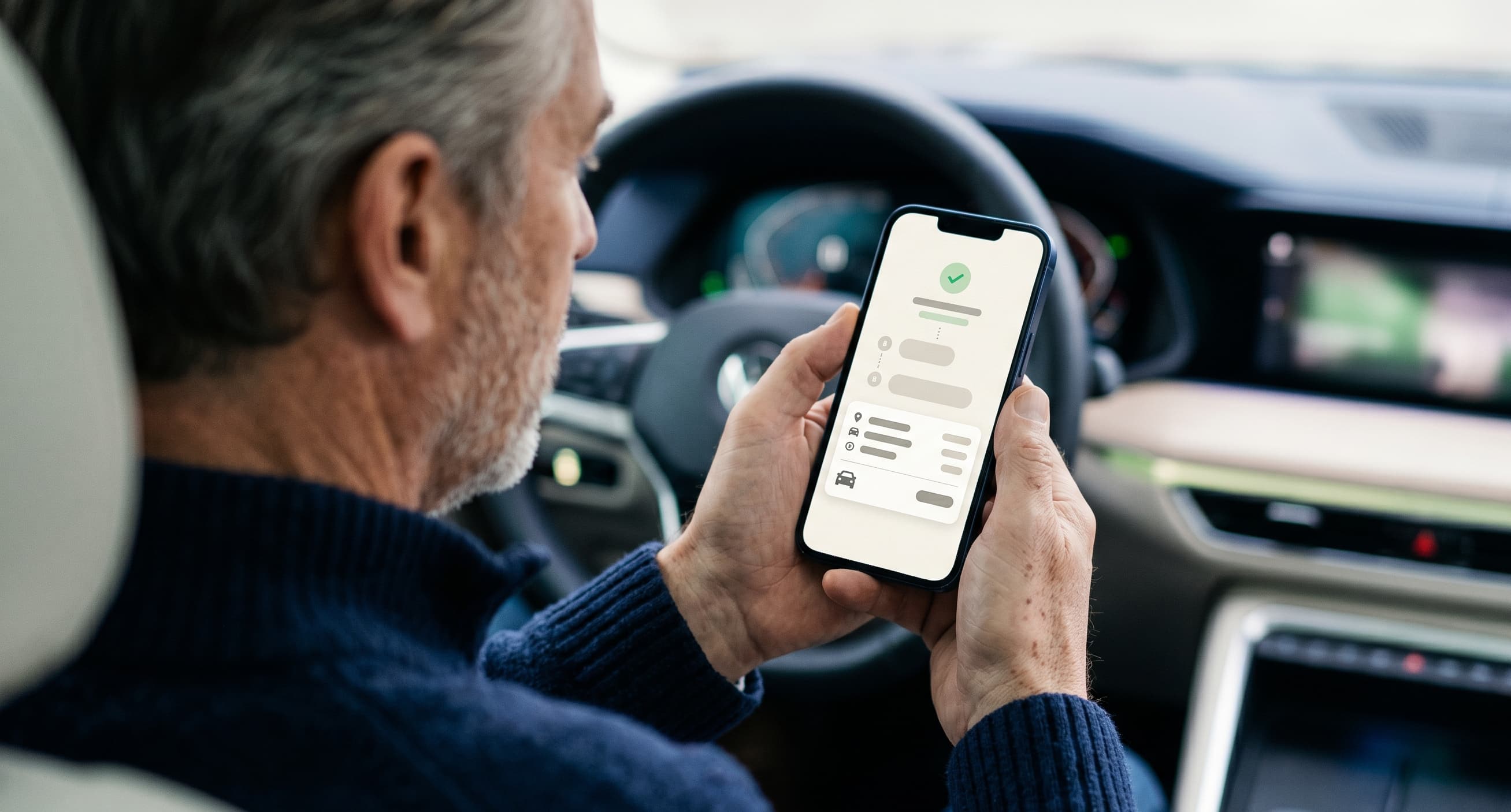
If you live in Austin, Dallas, or Houston, it is easy to try a robotaxi today. Download the Tesla app if you do not already have it, make sure you are inside one of the approved service areas, and request a ride the same way you would with any other rideshare service. Expect a calm, quiet trip with simple pricing shown upfront. You can ask the car questions using the voice system—it understands plain English surprisingly well.
Our recommendation is to start small. Try your first ride during daylight hours in a neighborhood you know well. Pay attention to how the car handles turns, stops at intersections, and merges into traffic. Most people we’ve spoken with come away impressed by how smooth and predictable the ride feels once they experience it firsthand. If you have questions about safety or how the system works, the app and Tesla’s support team can walk you through the details.
Before your first ride, check the app for the current service area map so you know exactly where the car can operate. Have your destination address ready because the system works best with clear drop-off points. Bring a charged phone in case you need to contact support, although most rides go without any issues. After the ride, the app will show you a receipt with the exact cost and route taken, which helps you track your savings over time. Robotaxis represent AI moving out of our phones and into the physical world. What began as chatbots and image generators is now safely moving people from place to place. This shift could change how cities work, reduce the need for so many personal cars, and give all of us a little more time in our busy days. We’ve heard from readers across the country asking what this means for their daily routines, and the honest answer is that it is still early—but the change is happening faster than many expected.
References
Want more plain-English AI news?
AI Foresights covers the latest AI developments, side income ideas, and tool reviews — written for everyday professionals, not tech experts.
Was this guide helpful?
Be the first to rate — or add yours below
More from Latest News


Get new guides every week
Real AI income strategies, tool reviews, and plain-English news — free in your inbox.