
The Whispering Office: How AI Is About to Change Where — and How — We Work

The Office Is About to Get a Lot Quieter
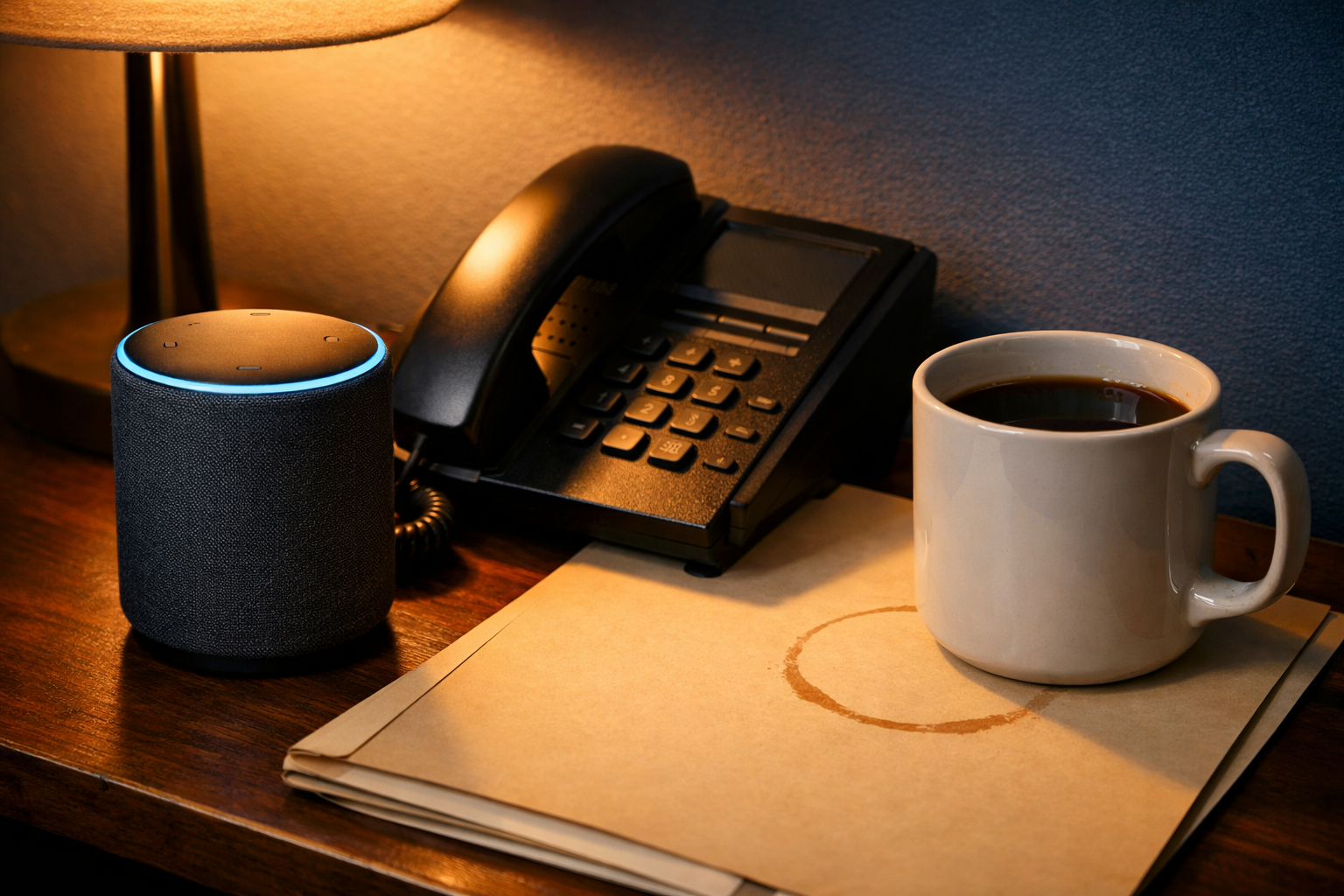
Imagine walking into your local bank branch five years from now. Instead of the usual background noise of phones ringing and keyboard clatter, you hear something different — a steady murmur of people quietly talking to their computers. Not to each other. To their AI. It might sound strange today, but this shift is already beginning, and it's going to reshape the physical spaces where we work in ways most of us haven't thought much about yet.[1]
For the past few decades, the biggest design challenge in open-plan offices was noise. Companies spent fortunes on noise-canceling panels, phone booths, and "quiet zones" — all because keyboards and phone calls created a constant din. Now, as more workers talk directly to AI tools instead of typing, a new kind of ambient sound is emerging. Low, constant, overlapping murmurs of people narrating tasks, asking questions, and giving instructions to software that listens back.
This Isn't Science Fiction — It's Already Happening
Voice-based AI tools are growing fast. Workers in fields from legal services to marketing are discovering that talking to an AI assistant is often faster than typing out a detailed prompt. Instead of carefully crafting a written request, you can just... speak naturally. The AI figures out the rest.[1]
Think about Sandra, a 58-year-old office manager at a mid-size accounting firm. Right now, she types out every request to her software tools. But soon, she might simply say aloud, "Pull together last quarter's expense reports and flag anything over five thousand dollars" — and her AI assistant will handle it while she moves on to something else. That kind of fluid, spoken interaction is what voice AI is making possible.
The catch? When everyone in an open office starts doing this at once, it creates a new acoustic environment — one that office designers, HR managers, and even building architects haven't fully prepared for. The "whisper-filled office" isn't just a quirky metaphor. It describes a genuine design problem that companies will need to solve.

What Happens to the Physical Workspace?
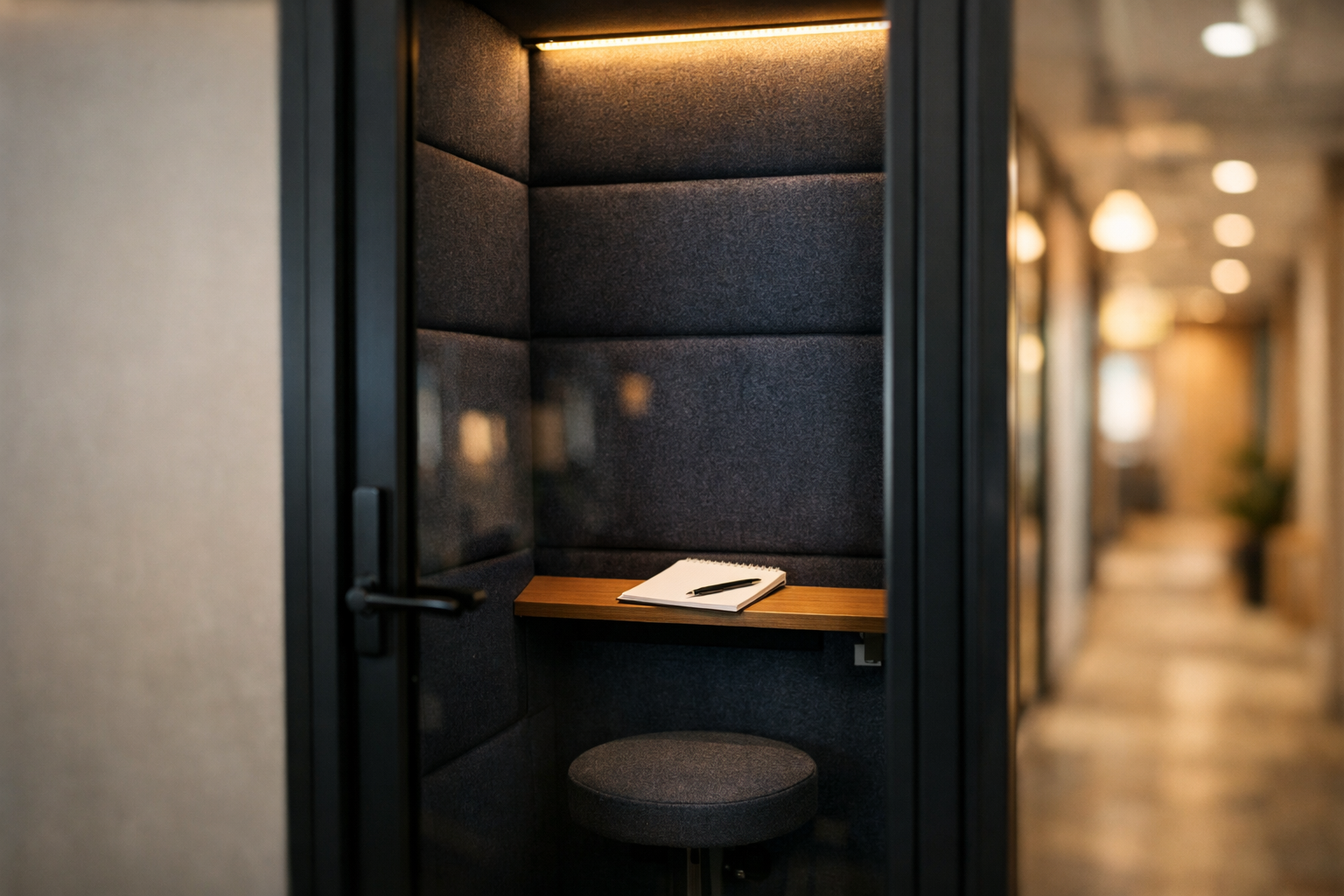
Here's the thing most workplace trend pieces miss: changing how people communicate doesn't just change the software — it changes the room. When typewriters gave way to computers, offices changed. When mobile phones arrived, conference rooms multiplied. Voice AI is the next shift, and it will likely push companies toward more private workspaces, more acoustic separation between desks, and new norms about when and where it's acceptable to talk to your computer out loud.[1]
For small business owners, this is worth thinking about sooner rather than later. If you run a real estate office, a dental practice, or a small law firm, the way your staff interacts with AI tools is going to evolve quickly. Staff who once typed will start speaking. Clients nearby may overhear sensitive conversations meant for an AI. The physical layout of your space — something you probably haven't reconsidered since the pandemic — may need another look.
The Bigger Picture: AI Is Reshaping the Environment Around Us
This workplace change is one piece of a much larger story. AI isn't just software running on a screen — it's becoming part of the ambient environment of everyday life. The same way we stopped noticing the hum of air conditioning or the glow of screens, we may eventually stop noticing that half the conversations happening around us are between humans and machines.
That's not necessarily alarming. But it does mean that the changes AI brings aren't only about what you can do on your laptop — they're about how the physical and social world around you gets reorganized to accommodate new habits.
For people who are skeptical of AI, or who just feel like it's all moving too fast, this is a reasonable thing to pay attention to. Not because voice AI will ruin offices, but because the transition will create friction — and companies and individuals who anticipate it will adapt more smoothly than those who don't.
The whisper-filled office is coming. The question isn't whether your workplace will change. It's whether you'll be ready when it does.

Sources
Want more plain-English AI news?
AI Foresights covers the latest AI developments, side income ideas, and tool reviews — written for everyday professionals, not tech experts.
Was this guide helpful?
Be the first to rate — or add yours below
More from Future of AI



Get new guides every week
Real AI income strategies, tool reviews, and plain-English news — free in your inbox.