
What Are 'AI Chips' and Why Should You Care?
The News That Actually Matters Here
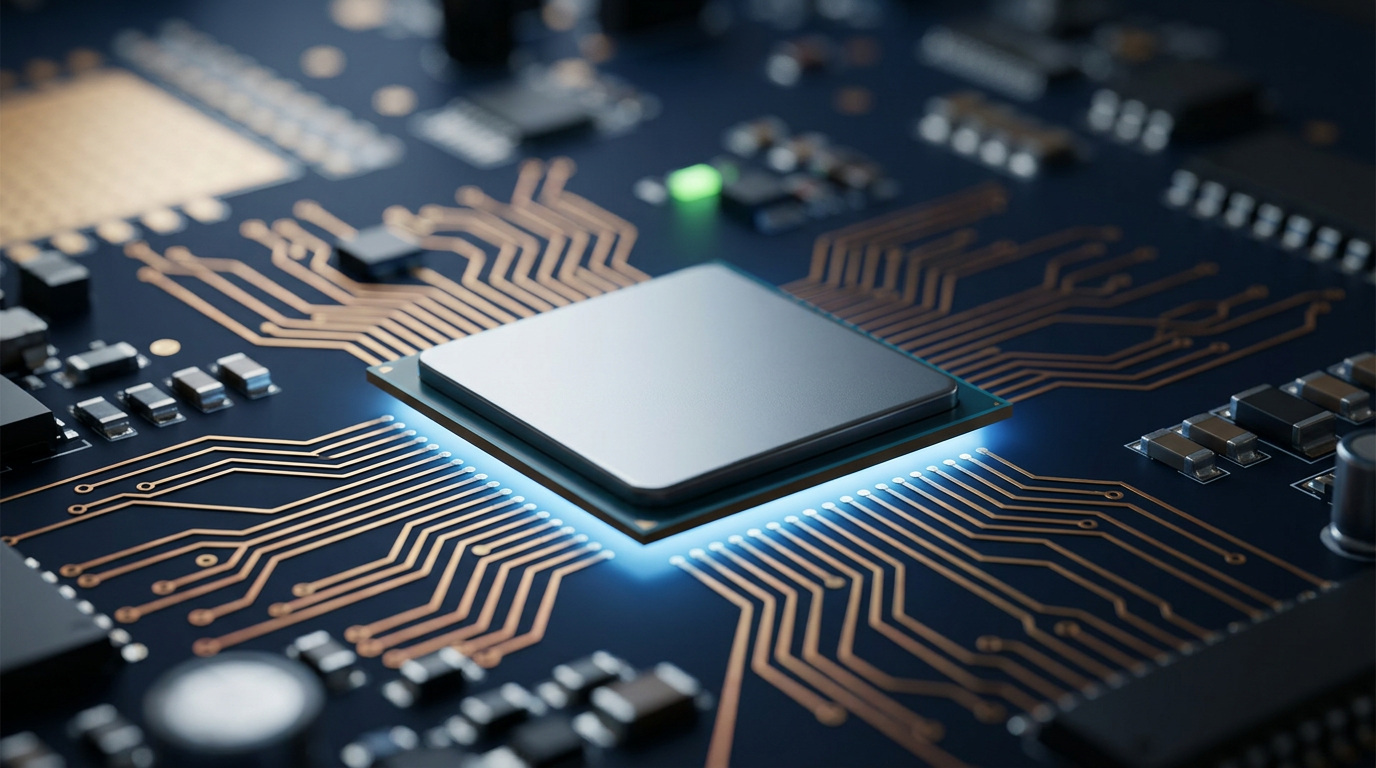
This week, Google made a quiet announcement that most people scrolled right past: the company unveiled two brand-new custom computer chips specifically built for the next generation of AI. They're called TPUs — short for Tensor Processing Units — and Google says they're designed for what it calls the "agentic era" of AI. That's a fancy phrase, but the idea behind it is simple: AI is no longer just answering your questions. It's starting to do things on your behalf. And that shift requires a new kind of horsepower under the hood.
You don't need to understand how these chips work to benefit from knowing why they exist. Think of it this way: when streaming services like Netflix became popular, internet providers had to upgrade their infrastructure so your movie wouldn't buffer every five minutes. What Google is doing right now is the equivalent of that — quietly building the pipes that will carry tomorrow's AI experiences into your daily life.

Why This "Chip News" Is Actually About You
Here's the part that gets interesting for everyday people. Right now, most AI tools you've heard of — ChatGPT, Gemini, Claude, and others — run on enormous, expensive computer hardware that sits in giant data centers far from wherever you are. Every time you ask one of these tools a question, your request travels to that data center, gets processed, and comes back to you. That works fine when AI is just answering questions.
But imagine you're a retired teacher named Carol, and you start using an AI assistant to help manage your medical appointments, sort your emails, book your travel, and remind you about your grandchildren's birthdays — all at once, all automatically, without you having to ask each time. That kind of AI — one that's acting rather than just answering — needs far more processing power than what's currently available at a reasonable price. Google's new chips are designed to make that kind of AI affordable enough to offer to regular users.
In short, the chip announcement is less about hardware and more about what becomes possible because of better hardware.

The Quiet Competition You Should Know About
For the past few years, a company called Nvidia has dominated the AI chip world. Nearly every major AI company has been racing to buy Nvidia chips, sometimes waiting months to get them. Google's approach has been different — it's been quietly building its own chips for years, and these new ones are reportedly faster and cheaper than the previous version.
This matters to you because competition in this space tends to drive down costs over time. When only one company makes the engine everyone needs, prices stay high and access stays limited. When multiple strong players compete, the technology eventually becomes cheap enough that smaller companies — and eventually regular people — can benefit. Think about how expensive flat-screen TVs were in 2005 versus what they cost today.
The "Agentic Era" in Plain English
Google keeps using the phrase "agentic era" to describe what these chips are built for. All that means is: AI that acts like an agent — something that takes steps on your behalf rather than waiting for you to direct every move.
Imagine a small business owner named Marcus who runs a landscaping company. Right now, he might use a tool like Gemini or NotebookLM to help him draft emails or organize notes. In the agentic era, an AI assistant could notice that three of his recurring clients haven't booked for the summer yet, draft and send follow-up messages, check his calendar, and schedule the jobs — all without Marcus having to ask. That's the future Google's chips are being built to support.

What You Should Take Away From This
You don't need to buy anything or change anything about how you use technology right now. But it helps to understand that the AI tools available to you in two or three years will be dramatically more capable than what you're seeing today — and the reason for that is being built right now, in the form of chips most people have never heard of.
The companies investing in this infrastructure are making a clear bet: AI that does things is coming, and soon. The best thing everyday people can do is stay curious, keep learning, and be ready to take advantage of tools that will genuinely make life simpler — without needing to understand a single thing about the chips making it all possible.
Want more plain-English AI news?
AI Foresights covers the latest AI developments, side income ideas, and tool reviews — written for everyday professionals, not tech experts.
Was this guide helpful?
Be the first to rate — or add yours below
More from Learn AI



Get new guides every week
Real AI income strategies, tool reviews, and plain-English news — free in your inbox.