
AI-Designed Drugs Are Heading Into Human Trials — Here's Why That Matters

A Quiet Announcement That Could Change Everything
Somewhere between the headlines about chatbots and chip deals, a piece of news slipped through this week that deserves a lot more attention. Isomorphic Labs — a spinoff from Google's DeepMind, one of the most respected AI research organizations in the world — announced that drugs designed with the help of artificial intelligence are now heading into human clinical trials.
Let that sink in for a moment. Medicines that no human scientist fully designed on their own are about to be tested in real people for the first time.
This isn't science fiction. And it's not just a press release from a company trying to raise money. Isomorphic Labs has been quietly building what its president Max Jaderberg calls a "broad and exciting pipeline of new medicines" — and after years of behind-the-scenes research, that pipeline is now moving toward the moment every drug developer works toward: testing whether something actually works in human beings.
What Does "AI-Designed" Even Mean?
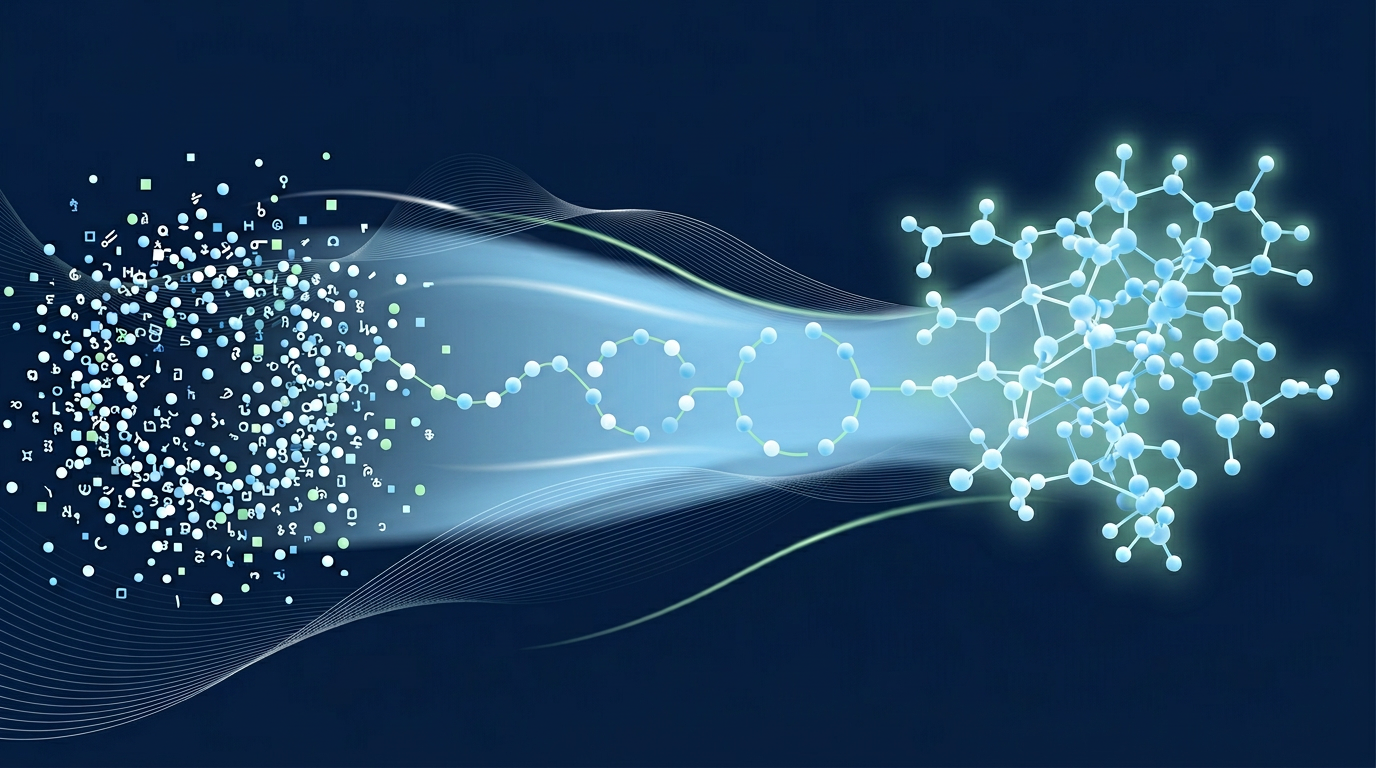
When scientists develop a new drug, they're essentially searching for a molecule — a tiny combination of atoms — that can do something useful inside the human body, like blocking a protein that causes disease. The problem is that the number of possible molecules is almost impossibly large. Searching through them all by hand would take centuries.
What AI does is dramatically shrink that search. It learns from enormous amounts of existing scientific data — millions of known molecules, their shapes, how they interact with the body — and uses that knowledge to predict which new molecules might work and which ones won't. Think of it like having a research assistant who has read every chemistry textbook ever written and can make educated guesses at a speed no human could match.
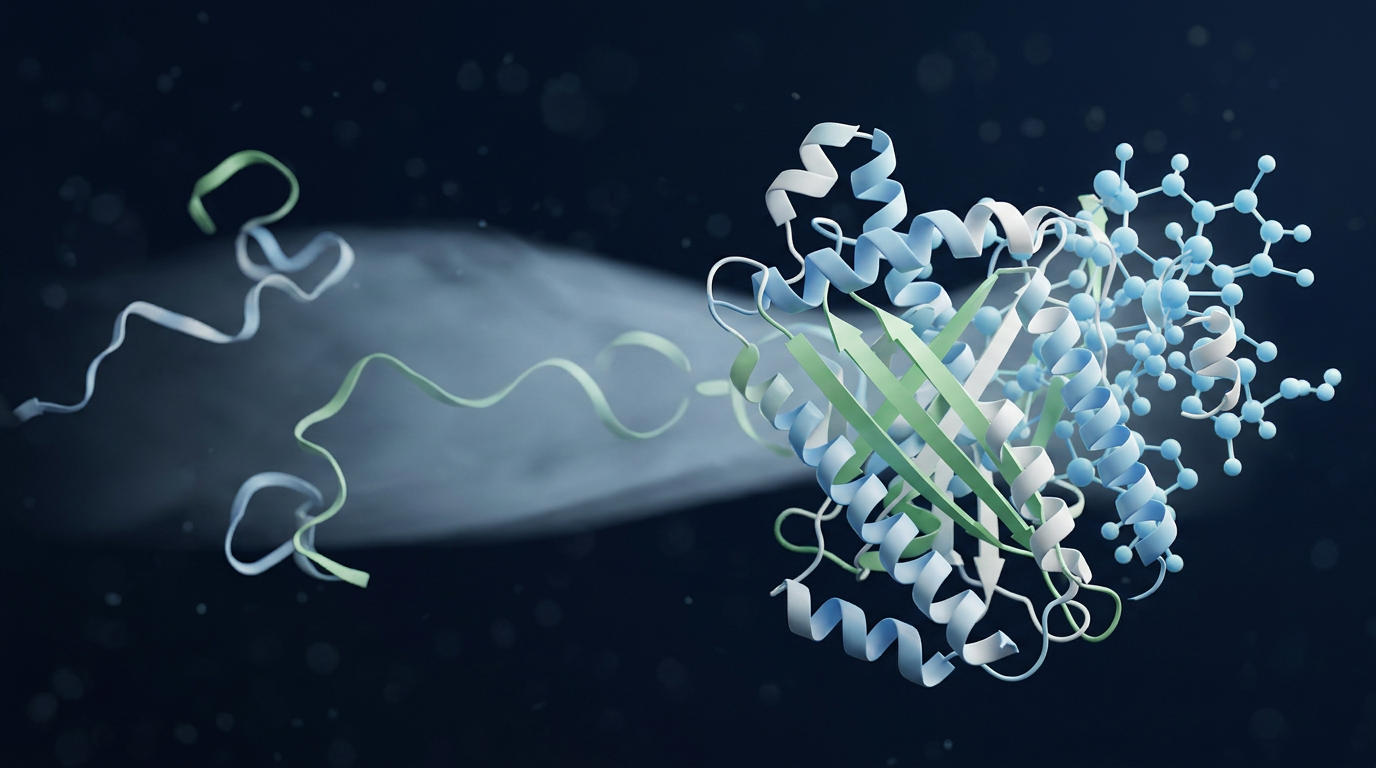
Isomorphic Labs was built specifically to do this, using technology descended from AlphaFold, an AI system that cracked one of biology's hardest problems by predicting how proteins fold into their three-dimensional shapes. That breakthrough won a Nobel Prize last year. The work heading into human trials is what comes next.
Why This Matters to Regular People
Consider someone like Margaret, a 61-year-old retired teacher living with a chronic autoimmune condition. She's been through several medications over the years — some worked for a while, some caused side effects that were almost as bad as the disease itself, and some simply stopped working. Her doctor keeps explaining that finding the right treatment is often a matter of trial and error, because the underlying biology is so complex.
That complexity is exactly what AI is beginning to address. By analyzing disease pathways at a level of detail that would overwhelm any human researcher, these tools can potentially identify treatment targets that no one thought to look at before. And they can do it faster — potentially cutting years off the drug development timeline.
The average drug currently takes over a decade and more than a billion dollars to bring to market. If AI can compress that process even modestly, it means more treatments reaching patients sooner, and potentially at lower cost.

This Is Still Just the Beginning
It's important to be honest here: human trials are not the finish line. Most drugs that enter clinical trials don't make it to pharmacy shelves. The body is complicated, and what works in a computer simulation or a lab dish doesn't always translate to a living human being. We won't know for years whether these AI-assisted drugs actually work.
But the fact that we've reached this milestone at all is significant. It means the field has matured past the theoretical stage. Real scientists are confident enough in AI-designed molecules to put them in real human bodies — which is a very high bar.
What Isomorphic Labs is doing represents a genuine shift in how medicine gets made. Not a replacement for human scientists, but a powerful new tool that lets them search smarter, move faster, and potentially find treatments that would have been missed entirely by traditional methods.
For anyone who has ever waited too long for a new treatment, or watched a loved one run out of options, that's not a small thing. It's exactly the kind of quiet, patient progress that doesn't make for flashy headlines — but might one day matter more than almost anything else happening in AI right now.

Want more plain-English AI news?
AI Foresights covers the latest AI developments, side income ideas, and tool reviews — written for everyday professionals, not tech experts.
Was this guide helpful?
Be the first to rate — or add yours below
More from Latest News


Get new guides every week
Real AI income strategies, tool reviews, and plain-English news — free in your inbox.