
AI Is Learning to Attack You — Here's How to Stay Safe

The New Face of Cybercrime Is Wearing an AI Mask
For most of us, the word "cyberattack" conjures up images of shadowy hackers typing furiously in a dark room. But the reality of online threats has changed dramatically — and the reason is artificial intelligence. Over the past year, criminals have started using the same AI tools that help you write emails and plan vacations to launch sophisticated scams, spread harmful software, and trick people into handing over their personal information. Understanding what's happening isn't about becoming a tech expert. It's about knowing what to watch for so you don't become a victim.
Recent reporting around the security challenges posed by advanced AI models like Claude has highlighted a sobering reality: the same technology that makes AI assistants helpful also makes them useful to bad actors. Criminals are now using AI to create fake videos and voice recordings of real people (called deepfakes), to write convincing scam messages that no longer contain obvious spelling errors, and even to build harmful software faster than ever before.

Why AI Makes Scams So Much Harder to Spot
Think about the last suspicious email you received. Maybe it was easy to spot because the grammar was terrible, or it addressed you as "Dear Customer" instead of your actual name. Those tells are disappearing. AI can now write a scam message in perfect, natural English — tailored to sound like it's coming from your bank, your doctor's office, or even a family member.
Consider Margaret, a retired schoolteacher in Ohio. She recently received a phone call that sounded exactly like her grandson asking for help — panicked voice, familiar speech patterns, even a small detail about a family trip. It wasn't her grandson. It was an AI-generated voice, created using just a short clip of audio pulled from a social media video. This kind of attack, called a voice cloning scam, is becoming more common and more convincing every month.
This is exactly why security experts are now urging families to establish a "safe word" — a private code word that only real family members would know — so you can verify the identity of someone calling in an apparent emergency.

Phishing Has Gone to Finishing School
Phishing — that's when someone pretends to be a trustworthy source to steal your login information or financial details — used to be relatively easy to identify. Not anymore. AI tools allow criminals to research their targets, personalize messages with real details, and send thousands of perfectly written fake emails in minutes. If you've ever bought something online, joined a loyalty program, or signed up for a newsletter, your email address is probably on a list somewhere.
The rule of thumb here is simple but powerful: when in doubt, don't click. Instead of clicking a link in an email that claims to be from your bank, open a fresh browser window and type your bank's address directly. Call the company using a number from their official website — not the one provided in the message.
What You Can Actually Do About It
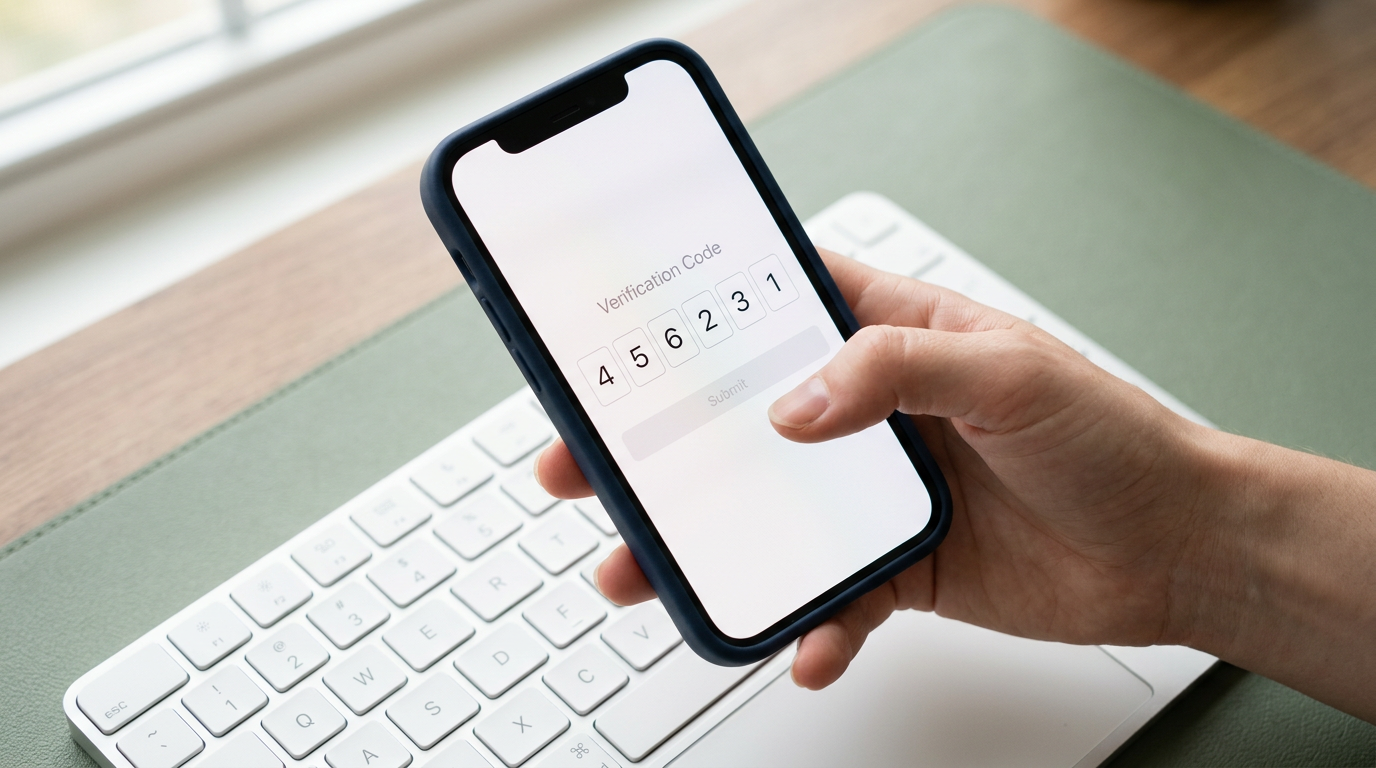
The good news is that staying safer doesn't require technical expertise. A few habits go a long way. First, turn on two-factor authentication wherever it's offered — that's when a website texts you a code before letting you log in, so a stolen password alone isn't enough to get in. Second, be skeptical of any message that creates urgency, whether it's "your account will be closed" or "act now to claim your prize." Urgency is a manipulation tactic, not a sign of legitimacy.
If you use AI assistants like ChatGPT or Gemini for everyday tasks — looking up information, drafting messages, getting recommendations — that's still perfectly fine and genuinely useful. The threat isn't from using these tools yourself. The threat is from criminals who are using similar tools to reach you.
For small business owners, the stakes are even higher. A convincing AI-generated email pretending to be from a supplier or a payroll service could trick an employee into wiring money or sharing sensitive data. Training your team to pause and verify before acting on financial requests is one of the most valuable things you can do right now.

The Honest Bottom Line
AI is making our lives easier in real, meaningful ways. But it is also handing new capabilities to people who want to deceive us. The best defense isn't fear — it's awareness. Knowing that a phone call can now be faked, that a scam email can now be flawlessly written, and that urgency is often a red flag puts you miles ahead of most people. You don't need to understand how AI works to protect yourself from it. You just need to slow down and ask: does this feel right?

Want more plain-English AI news?
AI Foresights covers the latest AI developments, side income ideas, and tool reviews — written for everyday professionals, not tech experts.
Was this guide helpful?
Be the first to rate — or add yours below
More from Learn AI


Get new guides every week
Real AI income strategies, tool reviews, and plain-English news — free in your inbox.